

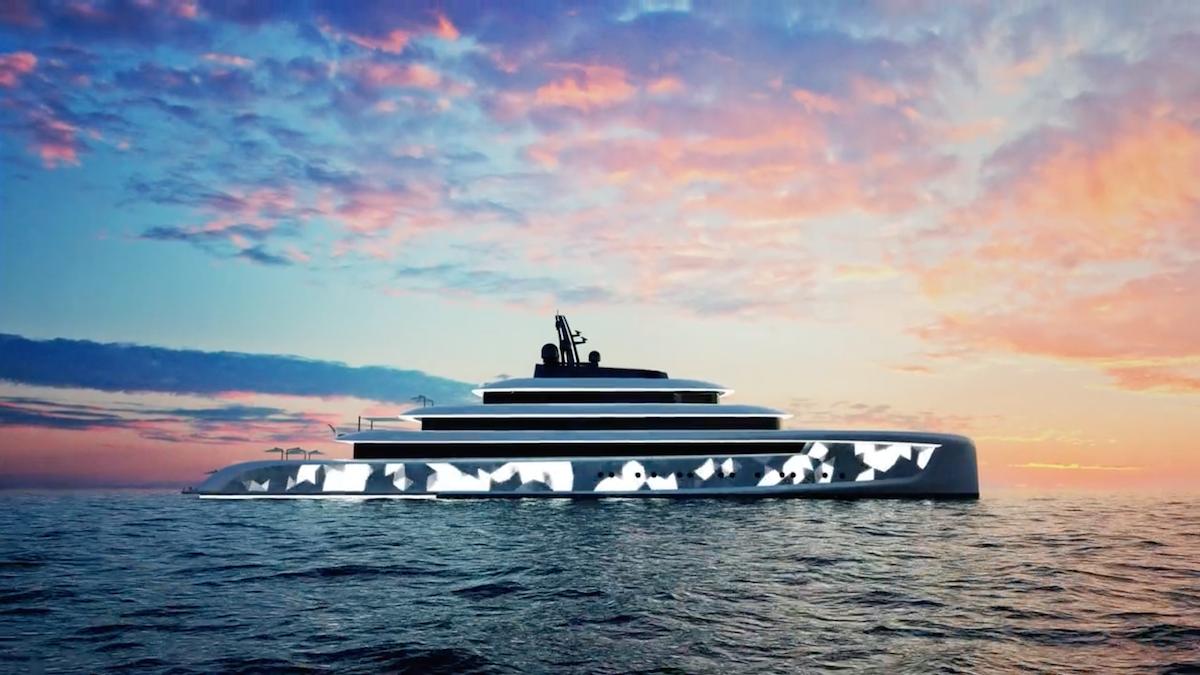
There was a time when a yacht was judged by its length, its horsepower, or the number of staterooms it carried below deck. That era has not disappeared, but it has been joined by a quieter, more deliberate idea: that a yacht is not simply a vessel, but a frame for an experience. Owners and charterers today are less interested in ticking off the biggest marina or the longest hull, and more interested in the texture of the journey itself the anchorage reached at dusk, the meal cooked with produce bought that morning in a fishing village, the week that unfolds without a single repeated view. This is the new art of yachting: curated, personal, and built around moments rather than miles.
The Perfect Yacht Itinerary: Designing a Journey, Not Just a Route
A great itinerary rarely survives first contact with a generic template. The best cruising plans are built the way a tasting menu is built with pacing, contrast, and a sense of story. A few days of lively ports followed by a stretch of true solitude; a famous bay balanced against an anchorage almost no one else will find that week. The itinerary should move guests through different registers of experience: the energy of a yacht club evening in a well-known harbor, the stillness of a cove reachable only by tender, the cultural depth of a half-day ashore exploring a hilltop village.
None of this happens by accident, and none of it happens without the right people on board. A seasoned captain reads weather windows and local knowledge the way a sommelier reads a vintage, while a well-chosen crew turns logistics into hospitality anticipating preferences, managing shore excursions, and keeping the rhythm of the week effortless for everyone except themselves. Building a journey around hidden beaches, iconic ports, and exclusive experiences starts, in practice, with choosing a crew that matches the tone of the trip you actually want, not just the one that looks good on paper. Before researching a single anchorage, it is worth clarifying whether the priority is adventure, privacy, gastronomy, or a mix of all three the answer shapes everything from the route to the crew brief.
Mediterranean Escapes Beyond the Obvious
The Mediterranean remains the natural home of modern yachting, but the most memorable itineraries increasingly look past the postcard stops. Yes, the glamour of a well-known marina has its place on any first visit. But ask captains who have spent decades in these waters, and they will point you toward the quieter alternatives: a fishing anchorage two coves along from the famous one, a village market that hasn’t changed its rhythm in a generation, a stretch of coastline where the only sound at anchor is the halyard against the mast.
Each major Mediterranean region rewards this kind of exploration differently. Along the French Riviera, the appeal lies in contrast a morning in a storied harbor town, an afternoon anchored off a pine-covered calanque where the water turns an impossible shade of turquoise. Italy and Sardinia offer a different kind of richness, from granite coves in the north to the slower, sun-washed villages further south, each with its own culinary identity worth building a day around. And Greece rewards patience above all: beyond the islands every guidebook names, there are hundreds of smaller anchorages where a single taverna, a handful of houses, and an empty bay are the entire itinerary for an afternoon.
For those planning further afield, it is worth browsing the fuller range of destinations around the world before settling on a region sometimes the most private cruising experience is found by looking one step beyond the obvious shortlist entirely.
Life at Sea, Simplified: The Technology Behind Effortless Time Onboard
Perhaps the most significant shift in modern yachting is invisible to the eye. Behind the teak decks and tailored interiors, a new generation of onboard systems is quietly transforming what it means to spend an extended period at anchor. Satellite connectivity that once felt like a luxury add-on is now close to seamless, letting guests and crew stay in touch with life ashore without sacrificing the sense of disconnection that draws people to the water in the first place.
Energy and water self-sufficiency have advanced just as quickly. Efficient desalination, smarter battery management, and quieter generator systems mean yachts can now hold position in a remote anchorage for days without needing to return to port extending exactly the kind of private, far-from-the-marina experience that defines the best itineraries. Climate systems, lighting, and entertainment are increasingly managed through a single integrated interface, reducing the visible machinery of comfort so that the experience feels less like managing a vessel and more like inhabiting a very well-run home that happens to move.
This quiet sophistication extends to design as much as engineering. The interiors that feel most at ease at sea tend to borrow confidently from residential and architectural thinking on land a lesson the Italian approach to yacht design has long understood, treating a cabin with the same discipline as a well-composed room ashore. The result is a vessel that supports long stays at anchor rather than constantly reminding guests they are living around its limitations.
Choosing the Journey That Fits
The common thread across itinerary design, destination choice, and onboard technology is the same: yachting today rewards intention. A well-built week on the water starts with honest questions about what the trip is actually for, continues with a crew capable of delivering on that vision, and is supported by systems that let the technology disappear into the background. For anyone starting to plan, it helps to begin with the basics of finding a yacht that suits you, then build outward destination by destination, detail by detail toward a journey that feels unmistakably your own.