
The hidden costs of owning a yacht: What every buyer should know
For many, buying a yacht is the ultimate lifestyle investment, but the purchase price is just the beginning. From ongoing maintenance to crew salaries and insurance, the hidden costs of yacht ownership can quickly add up. Whether you are buying a sailing yacht, a motor yacht or a superyacht, understanding these additional expenses is essential to managing your investment.

Routine maintenance
Routine maintenance is one of the most significant ongoing expenses. Industry experts typically estimate annual maintenance costs at around five to 10 per cent of the yacht’s original purchase price. This covers everything from mechanical servicing and painting to replacing worn equipment and general wear and tear.
Insurance
Yacht insurance is mandatory in most regions and is often based on a percentage of the vessel’s value. On average, owners should expect to pay between 0.5 per cent and two per cent of the yacht’s value annually for comprehensive coverage, depending on factors such as cruising areas, yacht type, and claims history.


Docking
Docking can also make a significant difference to ongoing costs. Some owners opt for long-term leases in marinas, while others pay transient docking fees, which fluctuate based on the season, yacht size and berth availability. Additional costs such as shore power, water supply, waste disposal and security services often apply on top of basic mooring fees.
Crew salaries
Running a yacht of any size often requires a skilled crew. The number of crew members needed depends on the yacht’s size and intended usage, but even smaller yachts may need a captain, deckhand, stewardess and engineer. Crew salaries, including health insurance, training and travel expenses, are a major ongoing cost. Ensuring your yacht is operated by a professional, well-trained crew is key to preserving its condition, safety and overall enjoyment.

Fuel
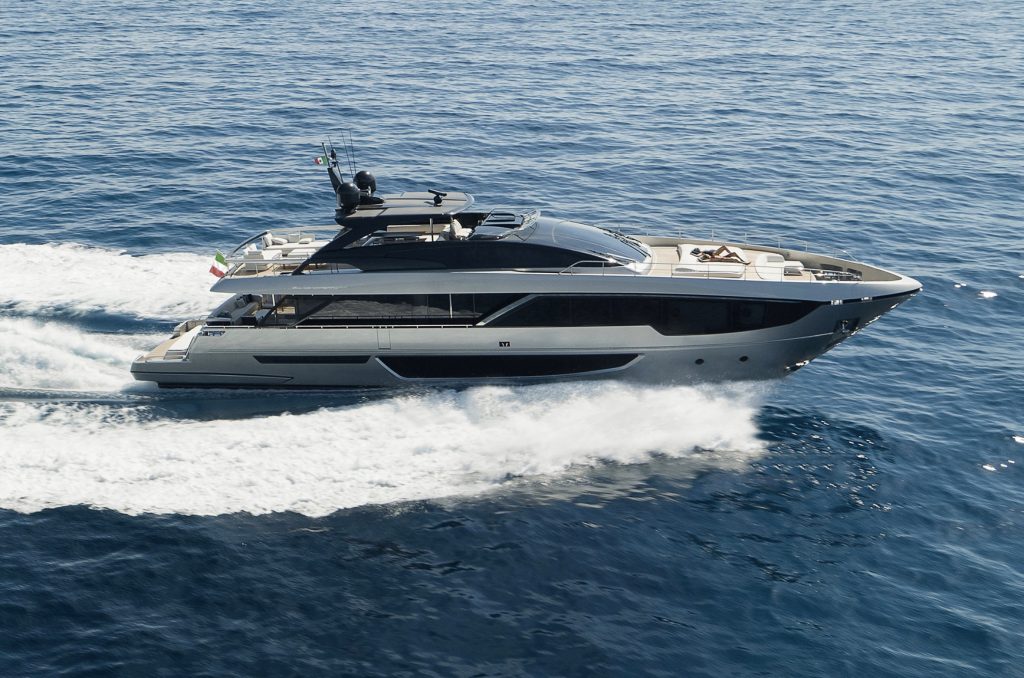
Fuel consumption can be a major expense, particularly for largermotor yachts or for yachts undertaking long voyages. Fuel costs fluctuate widely depending on the region and fuel type, and owners planning extensive cruising should budget accordingly.
Regulatory compliance and taxes
Owners must also consider the cost of regulatory compliance. This includes flag-state requirements, safety inspections (such as ISM and ISPS compliance for commercial yachts), radio licences and certification renewals. In some jurisdictions, owning and operating a yacht may trigger VAT, import duties or other local taxes. For example, purchasing a yacht within the European Union or keeping a yacht in EU waters can lead to VAT charges of up to 20 per cent or more, depending on the country. Working with an experienced yacht management company or legal advisor can help owners navigate the complex web of international maritime regulations.