

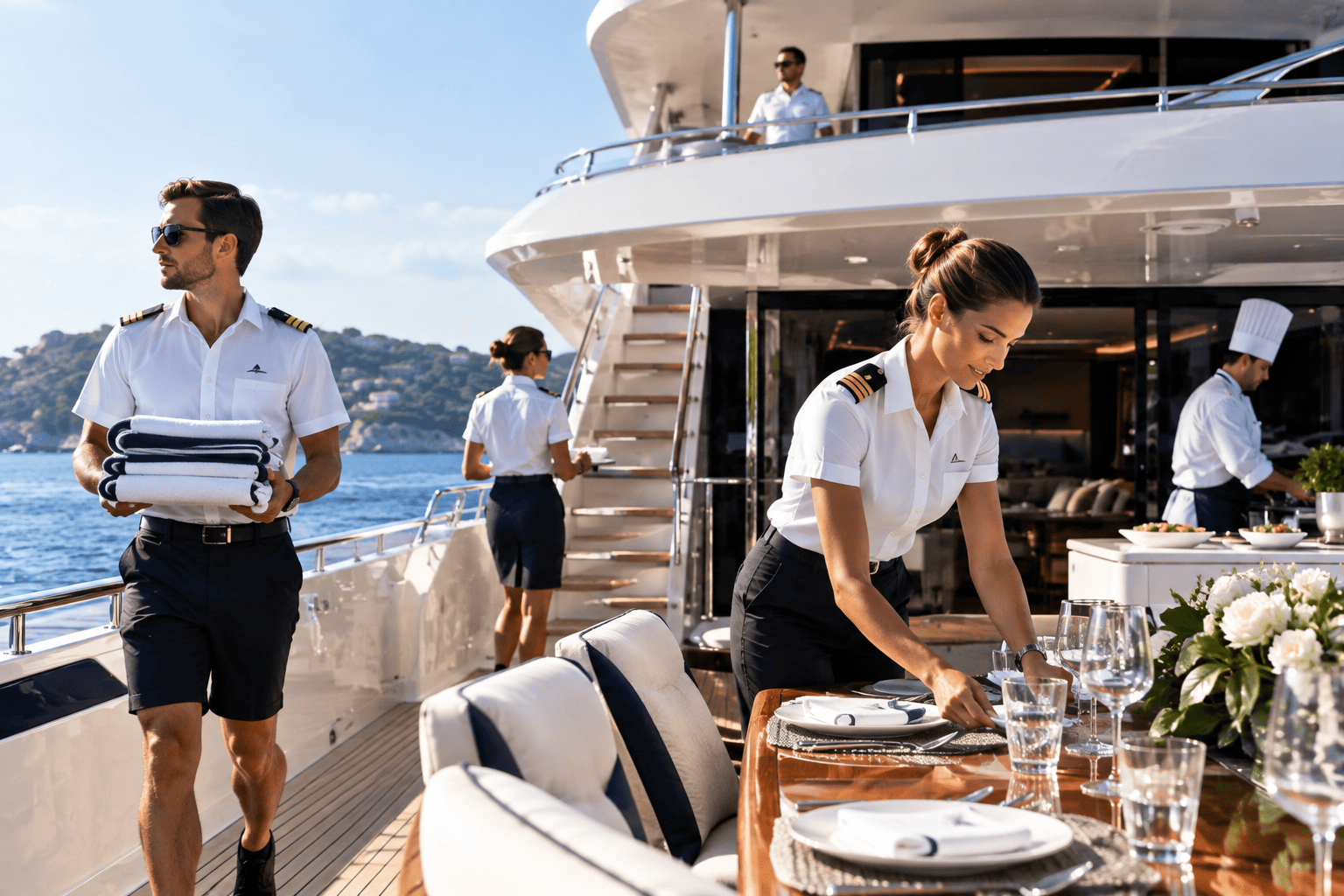
Crew members: how to choose them, what they cost, and where to find them
Once you have made the decision of buying a yacht, the vessel itself is only half the equation. A yacht, whether a modest sailing boat or a full-scale superyacht, is only as good as the people who run it day to day. Choosing the right crew, understanding what they cost every year, and knowing where to recruit them are three questions every owner needs to answer before the first season even begins. Get it right, and your yacht runs safely, smoothly and is a genuine pleasure to own. Get it wrong, and even the finest vessel becomes a source of stress.
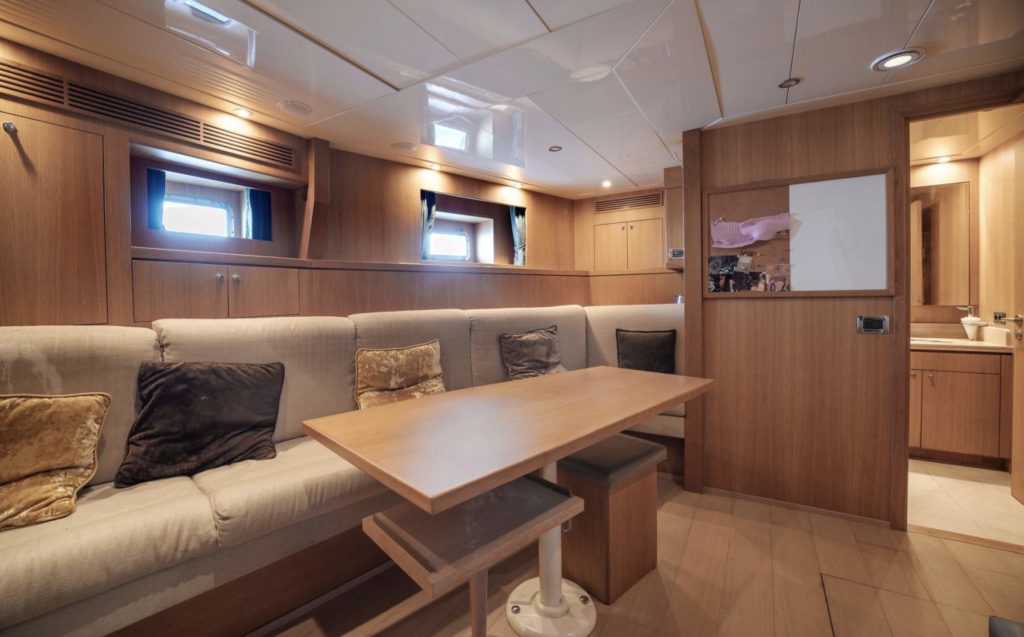
How to choose your crew
The size of your crew starts with the size and use of your yacht. A day boat under 15 metres may need no more than a captain, while a 30-metre motor yacht used for extended charters typically requires a captain, a mate or deckhand, an engineer, a chef and one or two stewardesses. A superyacht over 50 metres can carry a crew of 15 or more, each with a defined role.
Qualifications and certification come first
Any captain and senior officer should hold the appropriate STCW (Standards of Training, Certification and Watchkeeping) certificates and a valid licence for the tonnage and area of operation, such as an MCA Officer of the Watch or Master certificate. Confirm these documents are current and match your yacht’s flag state requirements before an offer is made; an unqualified captain can invalidate your insurance in the event of an incident.
Experience on a similar yacht matters
A captain who has run a comparable size and type of vessel, in the cruising grounds you intend to use, will already understand the systems, the ports and the seasonal quirks of the region. Ask for references from previous owners and, where possible, speak to them directly rather than relying on a written reference alone.
Personality and fit on board
Crew live and work in close quarters for months at a time, often with your family and guests aboard. A trial period, a face-to-face interview and, ideally, a short trip together before a permanent contract is signed will tell you far more than a CV ever can. The captain, in particular, should share your standards and be someone you trust to run the yacht in your absence.
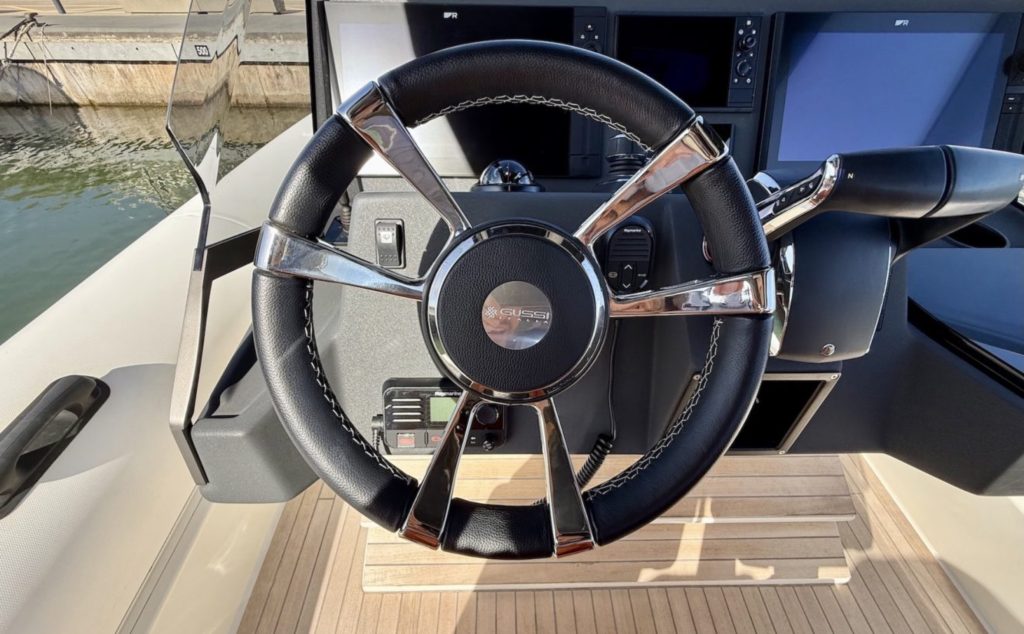
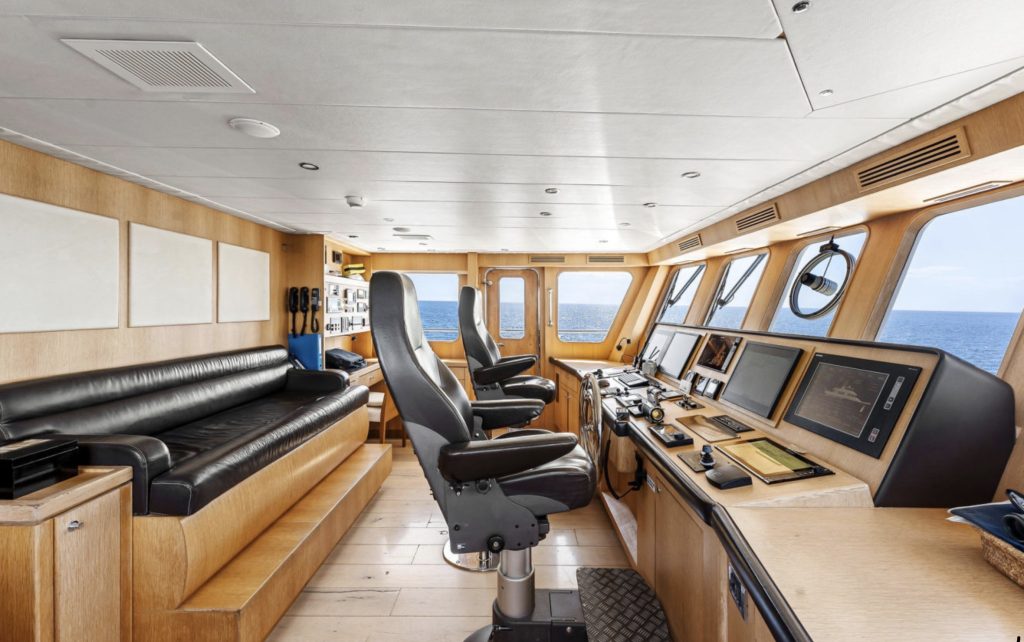
What does crew cost every year?
As outlined in the hidden costs of yacht ownership, crew salaries are one of the largest recurring expenses of owning a yacht, and they scale directly with vessel size and crew numbers rather than with the purchase price.
As a rough guide, annual gross salaries for permanent crew typically fall into these ranges: a captain commands between €60,000 and €150,000 or more depending on tonnage and licence; a chief engineer between €50,000 and €90,000; a chef between €40,000 and €70,000; and deckhands, mates and stewardesses between €25,000 and €45,000 each. On top of gross salary, owners should budget an additional 25 to 40 per cent for tax and social contributions (depending on the crew’s flag and residency), health insurance, flights, training courses, uniforms and victualling. For a mid-size motor yacht with a crew of four, total annual crew costs commonly land between €200,000 and €350,000; a superyacht with a crew of 15 to 20 can easily exceed €1.5 million a year. Owners who charter their yacht can offset part of this cost through charter income, but should still budget for it as a fixed, non-negotiable line item rather than a variable one.
Owners who only need crew for part of the year, rather than running the yacht full time, can reduce this outlay considerably by hiring on a seasonal or rotational basis instead of offering permanent contracts. A captain and one or two core crew retained year-round, supplemented by daily-rate freelance deckhands and stewardesses during the active season, is a common compromise for owners who cruise for only a few months at a time. Daily rates for freelance crew typically range from €150 to €400 depending on role and region, which can work out considerably cheaper than a full-time salary if your usage is limited to a handful of weeks each year.
Where to find crew members
Recruiting the right people is, in practice, the hardest part. Specialist yacht crew agencies remain the most common route: they pre-vet candidates, check references and certification, and can usually present a shortlist within days for permanent roles or hours for urgent temporary cover. Crew placement websites and dedicated job boards are useful for owners who prefer to interview a wider pool directly, though this takes considerably more time to vet properly. Word of mouth within the yachting community, through your captain, management company or broker, also remains one of the most reliable sources, since a recommendation from someone who has actually worked with the candidate carries more weight than any CV.
To make this easier, yachtma.net maintains its own directory of trusted contacts across the industry, from crew agencies and management companies to brokers and service providers. Rather than starting your search from scratch, browse My Network to connect directly with vetted professionals who can help you build a crew you can rely on.
Whichever route you choose, always verify certification independently, check at least two recent references, and use a written employment contract compliant with the Maritime Labour Convention (MLC 2006), which sets minimum standards for wages, hours of rest, leave and living conditions for professional seafarers. A properly documented hiring process protects both you and your crew, and it is a requirement most insurers and flag states will ask to see.
A well-chosen crew is what turns a yacht from an asset you own into a boat you actually enjoy using. Take the time to define the roles you genuinely need, budget realistically for the ongoing cost, and recruit through channels you can trust, and the rest of your ownership experience will be considerably smoother for it.