

Beyond the map: crafting bespoke expedition cruises
At a certain level of yacht ownership, a well-trodden itinerary around Saint-Tropez or the Amalfi Coast stops being the point. The clients we work with most closely are no longer asking which marina has the best beach club this season; they are asking where almost no one else has been. Designing a true expedition cruise, one that still delivers five-star comfort in places that rarely see a superyacht, is one of the most rewarding parts of chartering today, and it starts long before the anchor goes down for the first time.
What has changed is not the appetite for adventure, owners have always wanted a good story to bring home, it is the ability to deliver it without compromise. A decade ago, going somewhere genuinely remote meant giving something up: comfort, connectivity, or simply the guarantee that everything would run on schedule. Today’s expedition-capable yachts, and the planning that goes into using them properly, have closed that gap. The destination can be as wild as the client wants, provided the vessel, the route and the logistics behind it are chosen with equal care.
Uncharted archipelagos: venturing beyond the beaten path
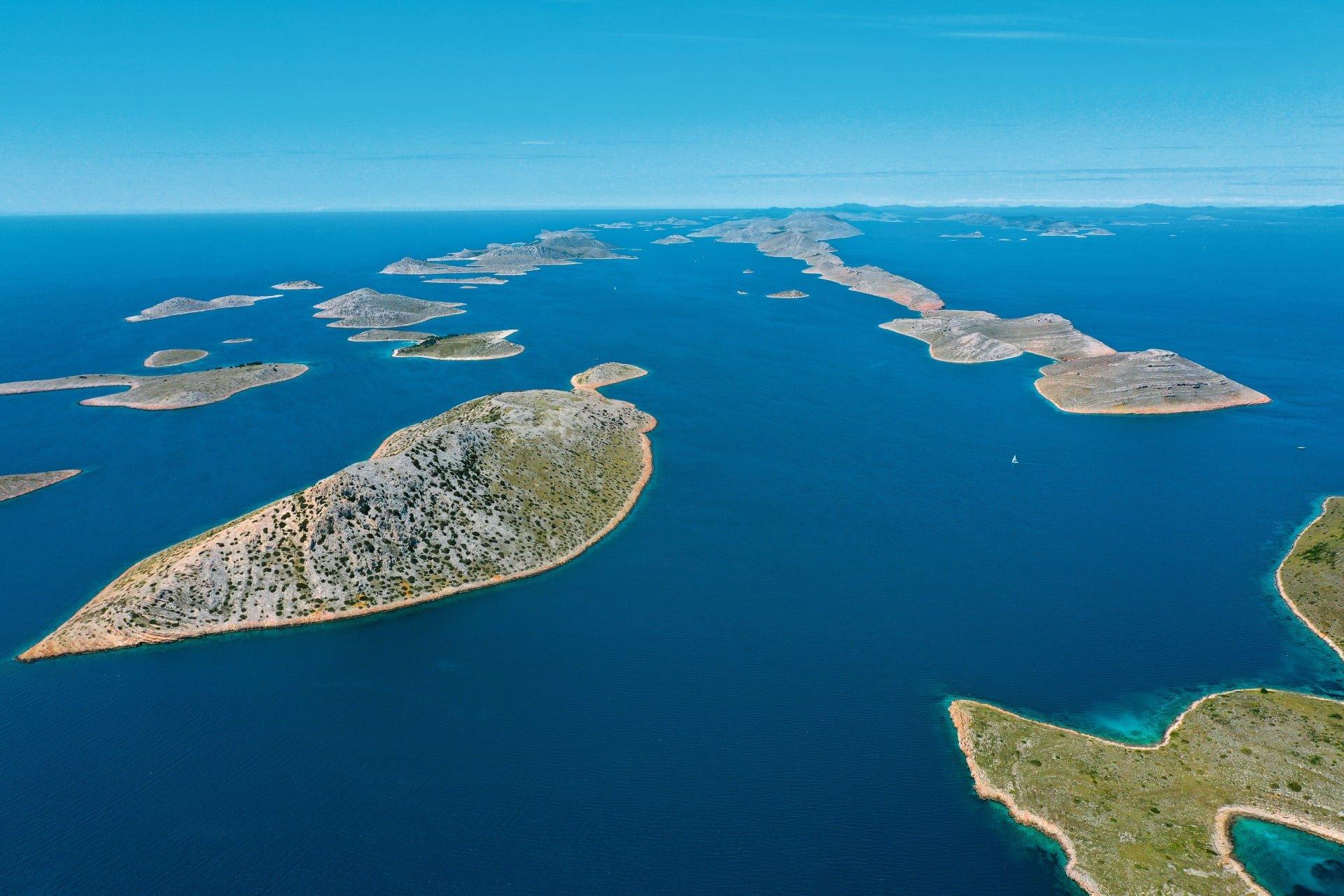
The Mediterranean will always have its place, but the real appetite right now is for routes most brokers never get asked about. We are increasingly planning itineraries through remote polar waters, where ice-strengthened explorer yachts can thread between glaciers that very few charter guests have ever seen up close. Indonesia’s outer islands hold a similar appeal: hundreds of hidden anchorages scattered across the Banda Sea and Raja Ampat, reachable only by vessels built for shallow draft and long range. Add the scattered atolls of the Pacific, and you have a cruising ground that redefines what “off the beaten path” actually means.
Matching the vessel to the route
None of this works without the right platform. A true deep-explorer vessel, long range, reinforced hull, and shallow-draft tenders, is what turns a theoretical route into a realistic one. We spend real time matching the yacht’s capability to the destination before a single day is booked, because the wrong hull in the wrong archipelago can end a trip before it has really started. It is this matching exercise, not the destination list itself, that separates a genuine expedition from an ordinary charter pushed slightly further offshore.
For inspiration on where these routes can lead, our guide to destinations around the world is a good starting point, though in practice the most interesting itineraries we build rarely make it onto any public list. They are assembled case by case, around the season, the guests, and the range of the vessel in question.
Immersive local encounters: access beyond the brochure
Reaching a remote anchorage is only half the experience; what happens once the tender reaches the beach is what guests actually remember. We now build private shoreside access into nearly every expedition itinerary, arrangements with local communities, landowners or park authorities that would be impossible to organise independently, let alone on short notice.
Expertise, not just luxury
The most memorable moments tend to come from expertise rather than comfort alone. Marine biologist-led dives turn a reef stop into something closer to a guided expedition, with real insight into the ecosystem rather than a standard snorkel briefing. We work with the same specialists across trips, which means the quality of the encounter never depends on which operator happened to be available that week.
Cultural access money alone cannot buy
Exclusive cultural immersions, a private audience with a village elder, a cooking session with a local chef, a visit timed around a regional festival, are curated specifically for travelers who already have access to almost everything and simply want something genuine. Several of these experiences build directly on the kind of onboard activities our clients already favour, simply extended onto land.
Autonomy at sea: the engineering behind true freedom
Genuine disconnection, from marinas, from fuel docks, from mobile networks, is the part of expedition cruising that guests see least and that takes the most planning. Extended provisioning for a multi-week passage has to account for fresh food logistics, redundancy in case a resupply point falls through, and the preferences of a crew that may be cooking for the same guests for a month at a time.
Fuel range and communications
Fuel range optimisation is calculated the same way a long-haul flight plan is calculated, with real margins rather than best-case numbers, because the nearest fuel dock in the Pacific or the high Arctic can be a thousand nautical miles away. Communications matter just as much: an autonomous communication network robust enough for weather routing, medical support and basic connectivity, without turning the yacht into a floating office.
Vessels built for this kind of range also need consistent, proactive upkeep between trips far more than yachts that rarely leave a home marina, and we factor that maintenance planning into every expedition itinerary from the outset, not as an afterthought once the guests are already on board.
How far ahead to plan
None of the elements above come together on short notice. Permits for remote anchorages, booking the right specialists for shoreside excursions, and securing a suitable explorer-class yacht for the window you have in mind typically need to be locked in six to twelve months out, longer for polar season charters, where the operating window itself is only a few months wide. The clients who get the most out of an expedition cruise are usually the ones who start the conversation earliest, not necessarily the ones with the largest budget.
Done properly, a bespoke expedition cruise is not simply a more extreme version of a normal charter, it is a different kind of trip altogether, built around genuine discovery rather than comfort alone. If that is the direction you are considering for your next itinerary, it is worth starting the conversation well before the season you have in mind; routes like these take time to plan properly, and the best weather windows fill early.