

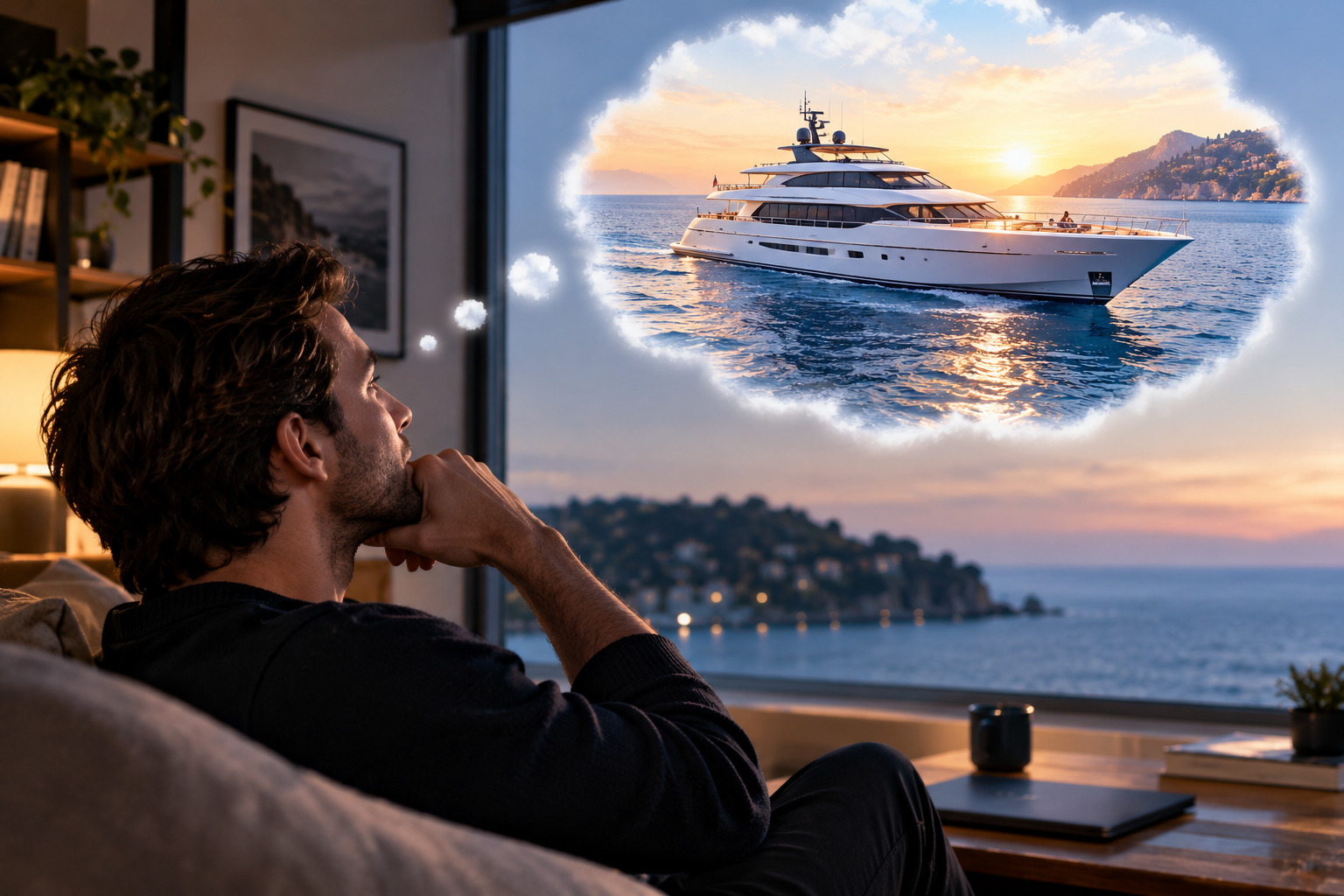
Finding a yacht that suits you
Once you start looking for a yacht, it does not take long to notice that the market splits into two very different families of boat. On one side, sleek hulls built to cut through the water as fast as possible. On the other, broad, stable platforms designed to make every hour on board as comfortable as possible. Very few yachts genuinely excel at both, so before you fall for a set of specifications or a brand name, it is worth asking yourself a simpler question: what do you actually want to feel when you are on the water?
What matters most: speed, comfort, or both?
There is no universally correct answer here, only the right answer for how you actually intend to use the boat. If your idea of a perfect day is racing to a favourite cove, pulling off watersports, and being back at the dock before lunch, speed and handling will matter far more to you than an extra cabin. If you picture long weekends with family or guests, overnight stays at anchor, and calm evenings on deck, comfort, stability and living space will matter more than outright top speed.
Most buyers, in practice, are looking for a workable balance rather than an extreme. A useful way to frame it is to rank three things in order of personal priority: how fast you want to get somewhere, how many people you regularly bring aboard, and how many nights you plan to actually sleep on the water. Those three answers alone will point you toward one end of the spectrum or the other far more reliably than any brochure.
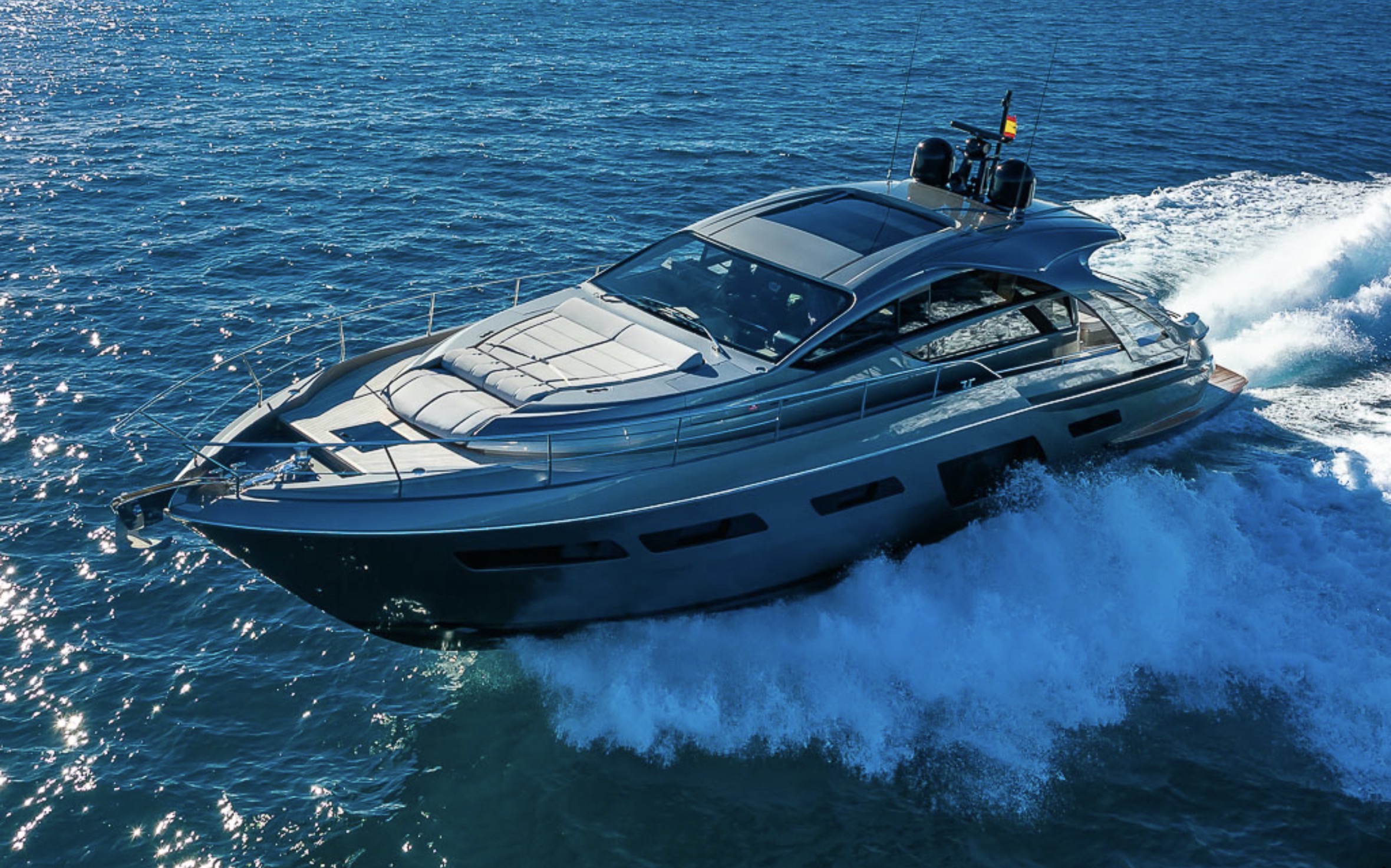
Speed boats: why they are so appealing
A fast boat delivers something a bigger, heavier yacht simply cannot: the sensation of speed itself. Planing hulls, powerful engines and a low, aggressive stance turn every outing into something closer to a driving experience than a cruise, which is exactly why performance-focused models such as the Pershing 7X or the compact, sporty Boston Whaler 270 Vantage have such a loyal following.
The advantages
- Time on the water, not travelling to it. A fast hull turns a two-hour crossing into forty-five minutes, which matters if your cruising ground is spread across several anchorages or islands.
- Watersports performance. Wakeboarding, tubing and towing a tender all benefit from the extra power and responsiveness of a planing hull.
- Agility and thrill. Tighter turns, quicker acceleration and a genuinely exciting feel at the helm, which larger, heavier yachts cannot replicate.
The trade-offs
- Fuel consumption. High-performance engines burn considerably more fuel per hour than a displacement or semi-displacement hull cruising at moderate speed.
- Comfort in a chop. A lighter, sportier hull transmits more motion and noise in rough water than a heavier cruising yacht.
- Limited living space. Performance-oriented design generally means fewer cabins and less room to relax, especially overnight.
If this sounds like your kind of ownership, the fastest way to get a feel for the segment is to browse it directly: filter our motor yacht listings down by length, and look closely at compact, high-horsepower models like the two above to compare layouts, engine options and asking prices side by side.
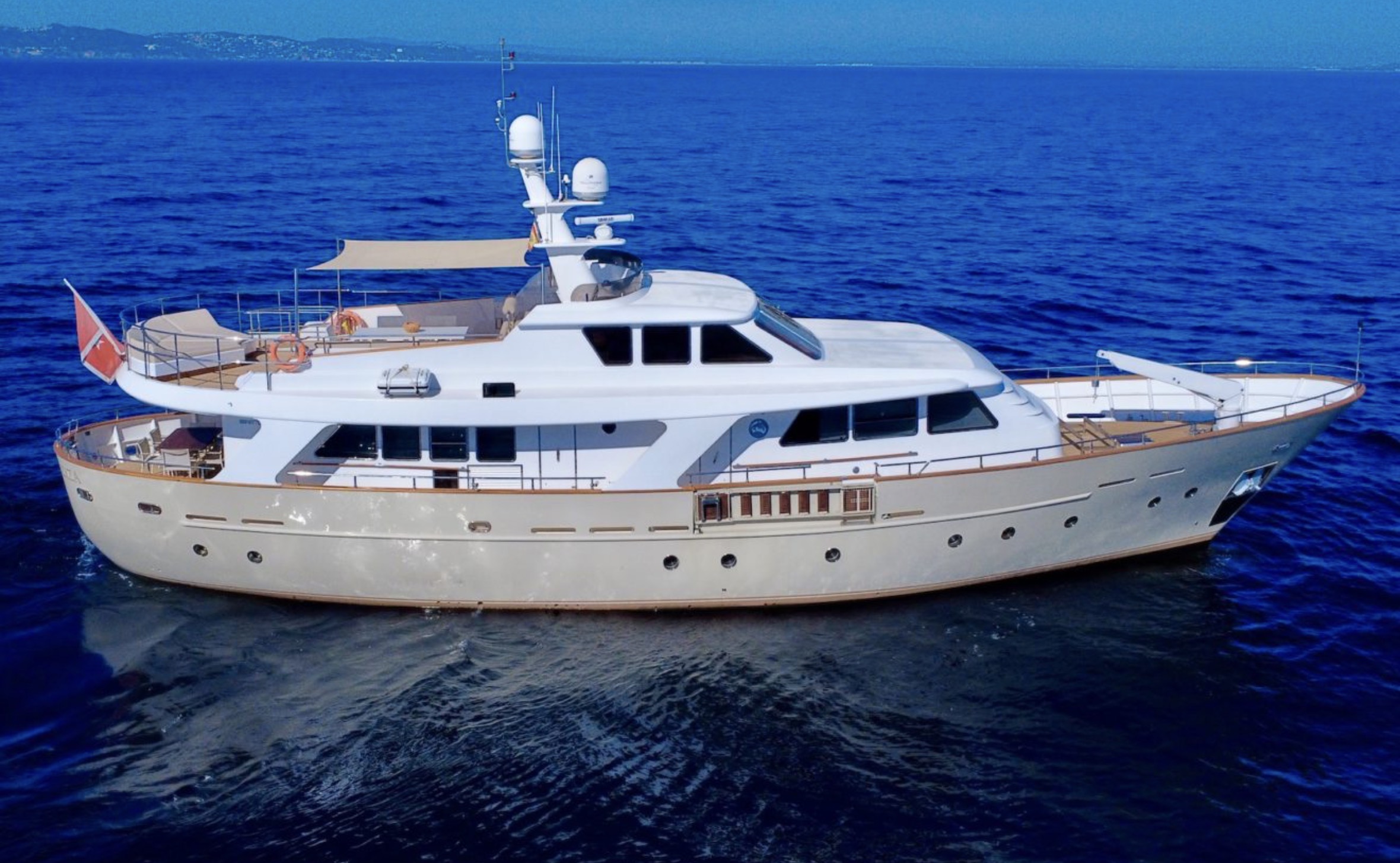
Comfort boats: built for the long haul
At the other end of the spectrum are yachts built primarily to be lived on rather than raced across the water. Broader beams, heavier displacement hulls, full-height saloons and multiple cabins define this category, illustrated well by vessels such as the Benetti 82′ or the spacious, flybridge-equipped Azimut Grande 27.
The advantages
- Genuine living space. Full saloons, proper galleys and multiple cabins make extended stays, family trips and hosting guests far more enjoyable.
- A smoother ride. Heavier hulls and, on larger models, stabilisers absorb motion far better in open water and a moderate chop.
- Lower running speed, steadier costs. Cruising at displacement speed is considerably more fuel-efficient than running a performance hull flat out.
The trade-offs
- Slower point-to-point travel. Longer crossings simply take more time, which shapes how far you can realistically cruise in a day.
- Higher fixed costs. As explored in the hidden costs of yacht ownership, larger, more comfortable yachts generally mean higher berth fees, maintenance and, often, a paid crew.
- Less agility. Manoeuvring in a tight marina or a crowded anchorage takes more skill, or more reliance on thrusters and assisted docking.
If comfort is what draws you, the same approach applies: use the size and price filters on our motor yacht listings to compare flybridge and displacement models in your budget, starting with something in the range of the two examples above.
Finding your own balance
In reality, very few buyers sit at the extreme edge of either category. Most end up choosing a yacht that leans one way while still making reasonable concessions to the other, a fast cruiser with a proper cabin, or a comfortable flybridge yacht with enough power to keep passages short. The honest way to find that balance is to test both ends of the spectrum yourself. Book a sea trial on something fast, then book one on something built for comfort, and pay attention to how each one actually feels with your usual crew and your usual routes, rather than how it looks on paper.
Whichever way you lean, the right yacht is simply the one that matches how you actually plan to use it, not the one with the most impressive top speed or the longest cabin list. Take the time to be honest about your priorities before you start comparing models, and the search becomes considerably easier. It is also worth revisiting that priority list every few years: a young couple chasing speed and adrenaline today may well be the family booking overnight anchorages five years from now, and plenty of owners trade one type of yacht for the other as their use of the boat changes.