

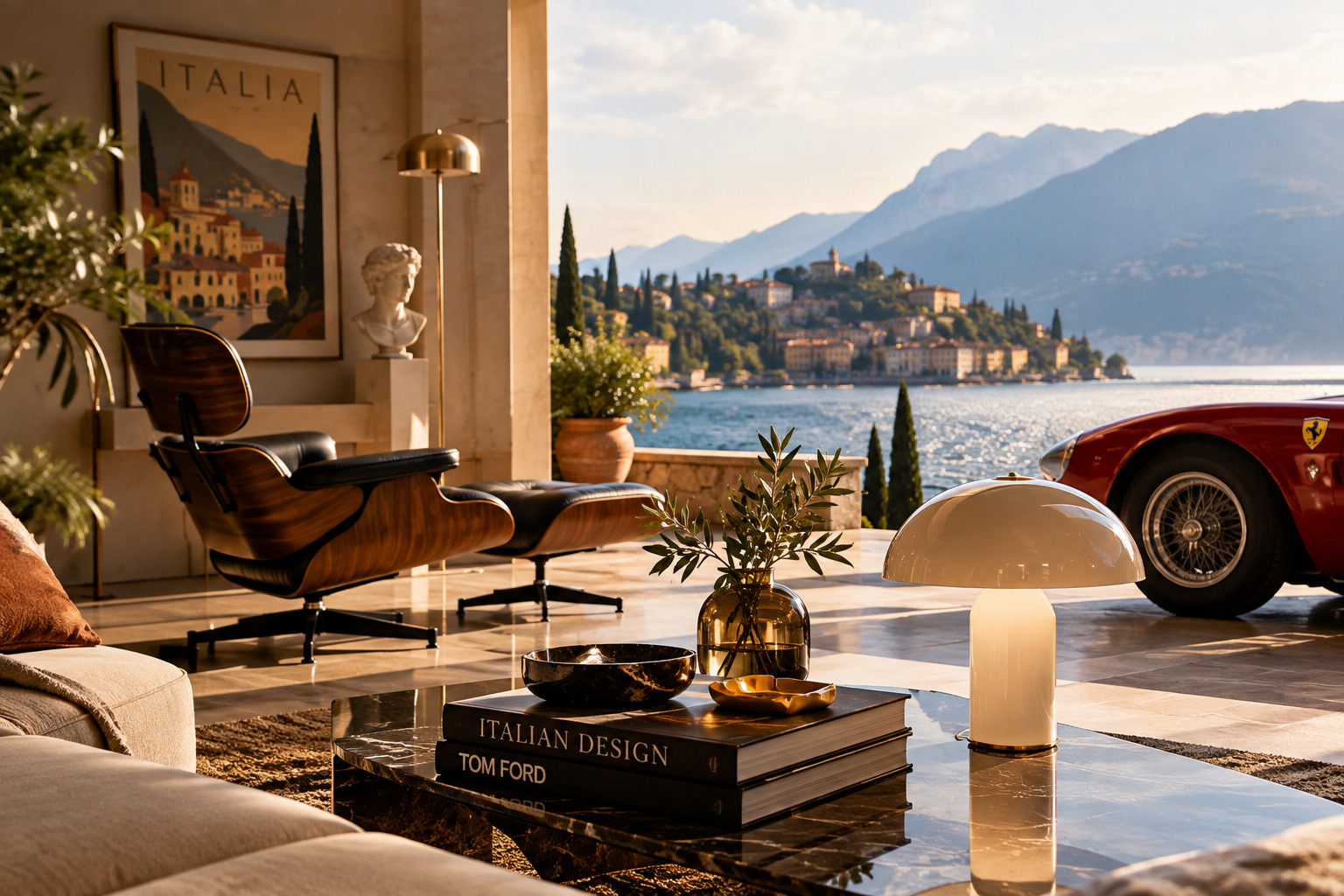
Italian elegance: why Italy still sets the standard in yacht design
Ask any naval architect, broker or owner to name the country that defines modern yacht design, and Italy will come up first almost every time. From the polished hulls of the Riviera to the drawing boards of Milan and Viareggio, Italian shipyards have spent seventy years turning boatbuilding into a form of industrial art. Whether you are buying your first yacht or upgrading to something more ambitious, understanding what makes Italian yachts different, and how to judge that quality for yourself, will change the way you shop. It will also help you tell a genuinely well-built Italian yacht apart from one that simply borrows the country’s reputation without the craftsmanship to back it up.
The best Italian brands
Italy is home to more world-class yacht builders than any other country, each with its own signature style. Browsing the current listings on our site is the fastest way to see the range for yourself, from sculpted sport yachts to full-beam superyachts.
Riva
Founded in 1842, Riva is the brand most associated with Italian glamour on the water. Its mahogany runabouts defined the 1960s Dolce Vita look, and today’s models, such as the Riva 102′ Corsaro, carry that heritage into full-size motor yachts without losing the sculpted, unmistakably Riva silhouette.
Ferretti Yachts
Part of the Ferretti Group, this brand built its name on sporty, seaworthy flybridge motor yachts. Models like the Ferretti Yachts 1000 pair confident exterior lines with bright, generous interior volume, a balance the brand has refined for over 60 years.
Azimut
Azimut has long pushed Italian design toward the contemporary, working with outside architects to keep its range feeling current. The Azimut Grande 27 is a good example of the brand’s flush, minimalist decks and open-plan living spaces.
Sanlorenzo
Sanlorenzo builds in comparatively small numbers and treats every yacht as close to bespoke, from the Sanlorenzo 108 up to its full custom superyacht range. This is where Italian craftsmanship shows most clearly, in joinery, stone and fabric choices tailored to each owner.
Pershing
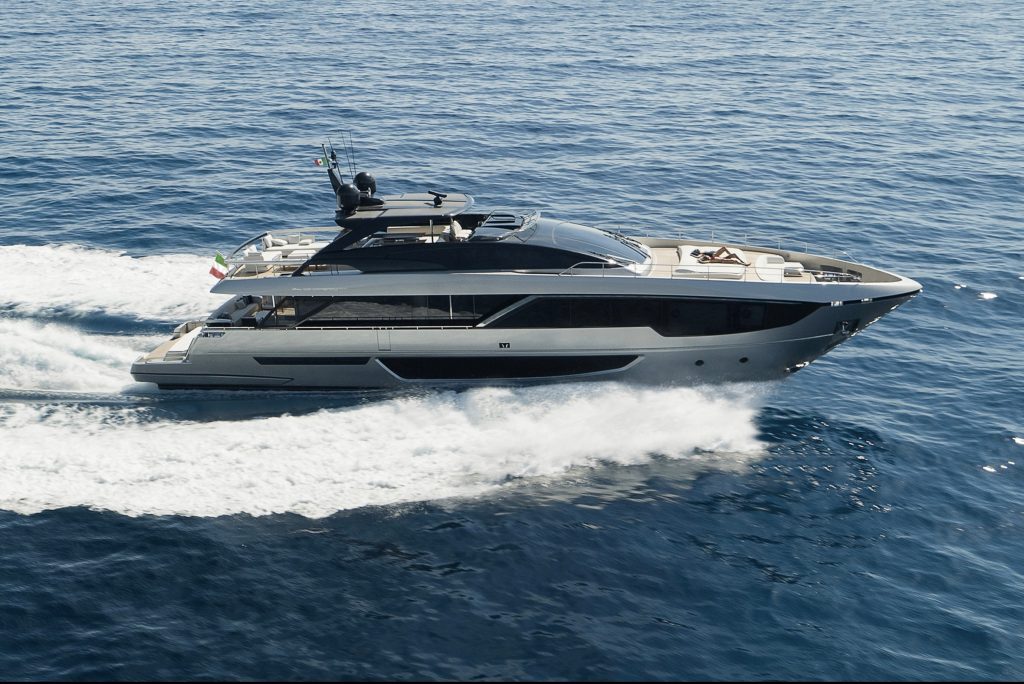
The performance specialist of the group, Pershing built its reputation on fast, aggressive open and hardtop yachts. The Pershing 8X keeps that sporting DNA while adding the comfort expected of a modern motor yacht.
Benetti
One of the oldest superyacht builders in the world, Benetti is part of the Azimut-Benetti Group and specialises in larger, custom and semi-custom yachts. The Benetti 82 reflects the classic elegance and spacious layouts the brand is known for.
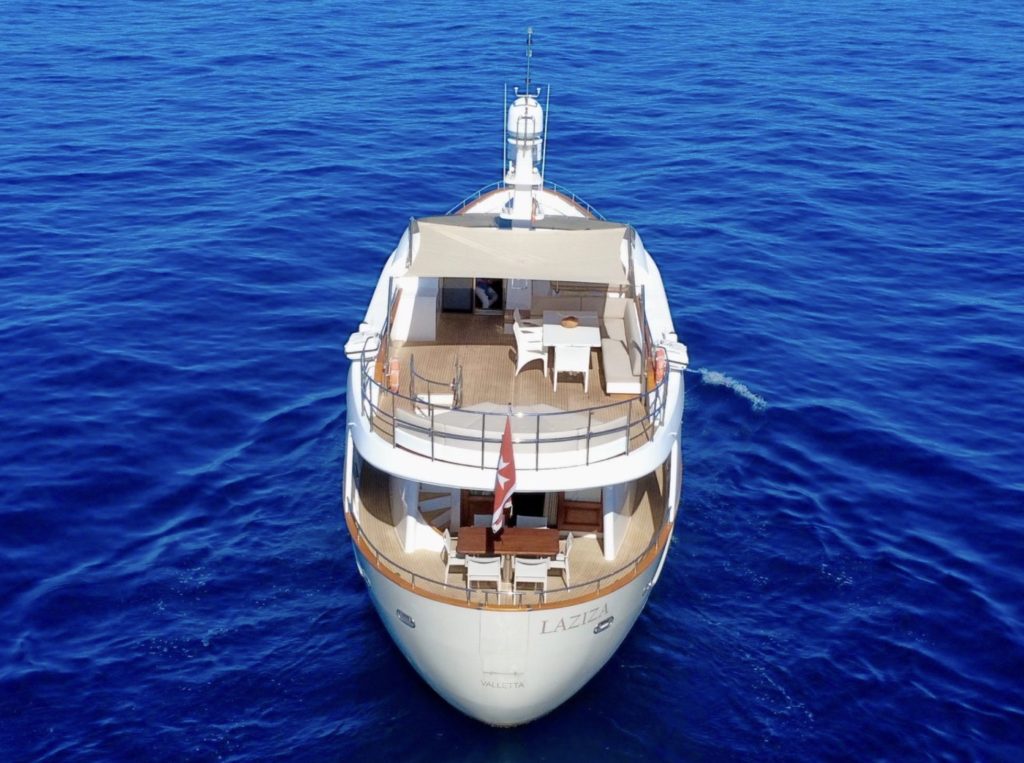
How to choose the best Italian quality
Not every Italian-built yacht is equal, and the badge alone is not a guarantee. A few checks will tell you whether you are looking at genuine top-tier quality or simply a well-marketed hull.
Look at the shipyard’s history, not just the model year. Brands that have been building continuously for decades, such as Riva, Ferretti or Benetti, have iterated their hull designs and construction methods over generations of feedback from real owners and sea conditions. That accumulated experience shows up in handling, in long-term reliability, and in resale value.
Check who designed it. Much of what makes Italian yacht design distinctive comes from outside studios, automotive and industrial designers brought in specifically to shape the exterior lines and interior volumes. A yacht with a credited design house behind it, rather than an in-house sketch, is usually a sign the builder invested seriously in the product.
Ask for a sea trial in real conditions, not a flat-calm marina cruise. Hull behaviour in a chop is where the difference between a well-engineered Italian yacht and a lesser copy becomes obvious, in noise levels, spray control and how the boat settles at speed.
Confirm the after-sales network in your cruising area. A beautiful yacht is only as good as the dealer and service network standing behind it. The major Italian groups (Ferretti Group, Azimut-Benetti Group, Sanlorenzo) all maintain international service networks, which matters far more once you own the boat than it does on the showroom floor.
Why Italian quality leads the world
Italy’s advantage is not a single factor but the combination of three: a design culture borrowed from the automotive and fashion industries, a dense cluster of specialist craftsmen concentrated around Viareggio and the Adriatic coast, and shipyards willing to compete on styling as fiercely as they compete on engineering. Where some builders treat the interior as a fitting-out exercise after the hull is finished, Italian yards typically design the hull, deck and interior as one continuous idea, which is why the proportions feel resolved rather than assembled.
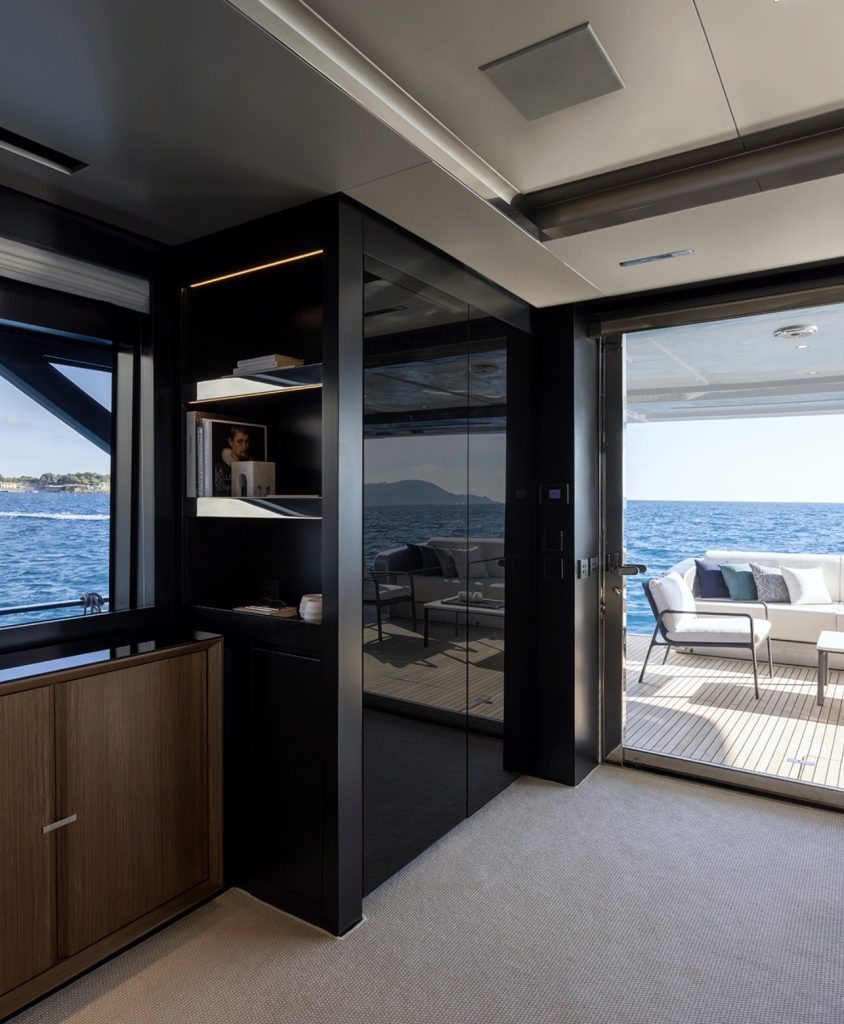
That philosophy is most visible below deck. Step aboard a Riva or a Sanlorenzo and the yacht interior tells the story on its own: book-matched wood veneers, hand-stitched leather, Italian marble and glass finished to furniture-grade standards rather than marine-grade minimums. Cabinetmakers trained in the same workshops that supply luxury furniture and automotive interiors are routinely brought in to finish saloons and cabins, which is simply not standard practice everywhere else in the industry. It is this obsession with material honesty, using real wood, real stone and real leather rather than convincing imitations, that owners consistently describe as the difference they can feel the moment they step aboard.
None of this happens by accident. It is the product of a supply chain built up over generations, specialist mould-makers, upholsterers, marquetry workshops and naval engineers, all working within a short drive of each other on Italy’s north-west coast. Competing shipyards draw from the same pool of expertise, which raises the baseline for the entire industry rather than isolating quality to any one brand.
For a buyer, the practical takeaway is simple: Italian yachts tend to hold their value and their appeal for longer, because the design and the craftsmanship were never an afterthought to the engineering. Whichever brand you lean toward, judge it on the same criteria, heritage, design pedigree, sea-keeping and after-sales support, and Italian elegance will speak for itself.