

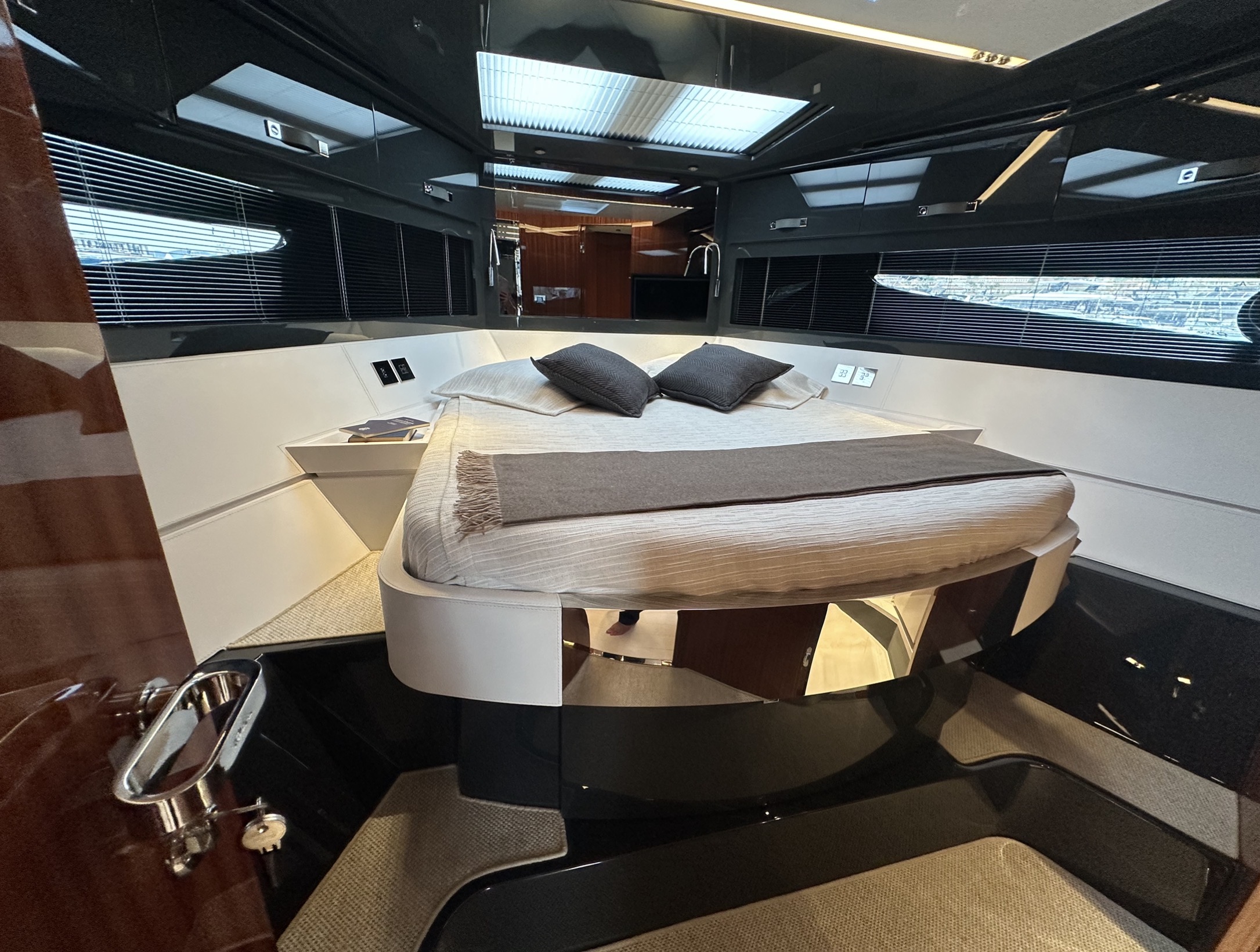
Interior design is not only about choosing beautiful furniture or creating an attractive atmosphere. It is also about understanding how materials, light, proportions and space interact with one another.
The choice of materials plays a fundamental role in creating an interior that feels coherent, timeless and personal. Every texture, colour and finish contributes to the identity of a space.
Choosing Materials with Intention
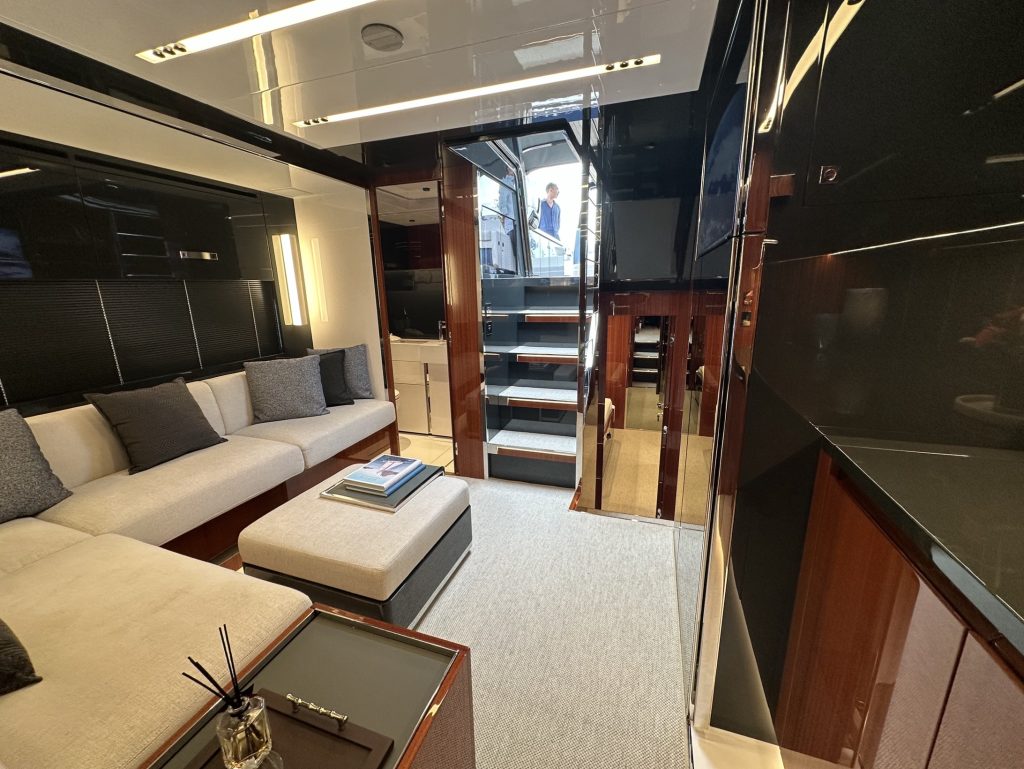
Materials should be selected not only for their aesthetic qualities, but also for the atmosphere they create.
Natural stone, wood, metal, glass or textured plaster can each bring a very different character to an interior. Wood introduces warmth and softness, while stone can create a sense of permanence and authenticity. Metal adds precision and contemporary character, whereas textiles and natural fibres can make a space feel more intimate and welcoming.
Materials and Natural Light
Light has a powerful influence on how materials are perceived.
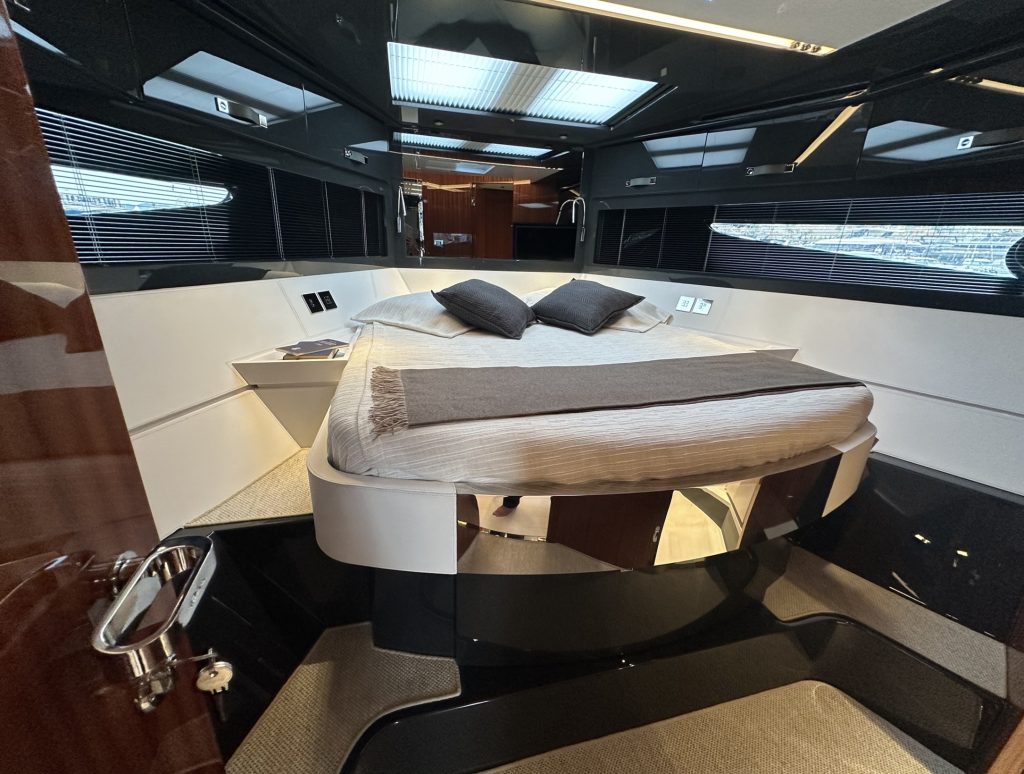
A material can appear completely different depending on the orientation of a room, the intensity of natural light and the time of day. A textured surface may reveal subtle shadows in the morning, while a polished finish can reflect and amplify light throughout the day.
Creating Continuity Throughout the Interior
A strong interior concept often relies on a limited and carefully considered material palette.
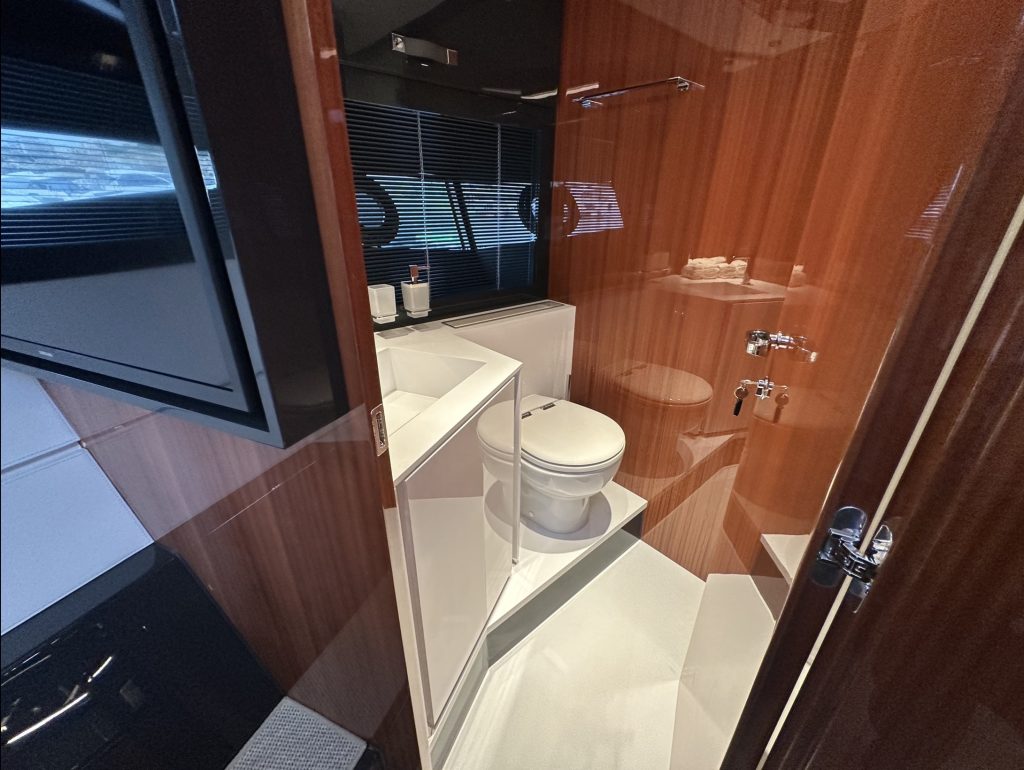
Repeating certain materials or finishes from one room to another can create a sense of continuity. This does not mean that every space needs to look identical. Instead, the same visual language can be interpreted in different ways depending on the function and atmosphere of each room.